Can You Change a Transmission From Manual to Automatic? ⏤ A Comprehensive Guide
Yes, converting a manual transmission to automatic is possible, though complex and costly, ranging from $2,000 to $10,000+, depending on the vehicle and parts needed for integration.
Understanding the Conversion Process
The conversion from a manual to an automatic transmission is a substantial undertaking, demanding meticulous planning and execution. It involves physically removing the existing manual gearbox, clutch, and related components. Subsequently, a compatible automatic transmission, torque converter, and accompanying parts must be installed. Crucially, this isn’t merely a swap; modifications to the vehicle’s ECU, wiring harness, and potentially the brake system are often necessary to ensure seamless operation and regulatory compliance. A transparent process, detailing timelines and costs, is vital for a successful outcome.
Is the Conversion Right for You? ⏤ Pros and Cons
Converting offers increased driving convenience, especially in traffic, and broader appeal if resale is considered. However, it’s a significant expense, potentially costing $5,000-$10,000+, and can diminish the vehicle’s original driving experience. Complex modifications may impact reliability. Weigh the benefits of effortless driving against the substantial financial investment and potential complications before proceeding with this substantial alteration.
Vehicle Compatibility ⎯ Which Cars Can Be Converted?
Most vehicles can be converted, but some present greater challenges. Older cars generally pose fewer electronic integration issues. Modern vehicles often require extensive ECU reprogramming and wiring harness modifications, increasing complexity and cost. Vehicles with limited engine bay space or unique drivetrain layouts may present significant physical fitment hurdles, making the conversion impractical or prohibitively expensive.
Cost Breakdown: Parts and Labor
The total cost varies widely, typically ranging from $5,000 to $10,000. Parts, including the transmission itself ($250 ⎯ $2,500+), torque converter, shifter, and driveshaft modifications, contribute significantly. Labor costs, due to the complexity, can easily reach $2,000 ⎯ $5,000 or more, depending on the mechanic’s rate and vehicle specifics. Expect additional expenses for ECU reprogramming and potential wiring adjustments.
Transmission Costs ⏤ New vs. Refurbished
A new automatic transmission typically ranges from $1,500 to $4,000+, offering reliability and warranty coverage. Refurbished options, costing $250 to $1,500, present a budget-friendly alternative, but with potential longevity concerns. The choice depends on your budget and risk tolerance; a refurbished unit requires careful inspection and may have a shorter lifespan than a brand-new one.
Labor Costs ⏤ Complexity and Time Involved
Labor for a manual-to-automatic conversion is substantial, often ranging from $800 to $2,000+, due to the intricate nature of the process. Expect 20-40+ hours of work, encompassing transmission installation, ECU reprogramming, wiring harness integration, and pedal assembly modifications. Modern vehicles needing ECU updates will increase labor time and cost significantly, demanding specialized expertise.
Additional Component Costs ⏤ Beyond the Transmission
Beyond the transmission itself (ranging $250-$2,500), factor in costs for a torque converter ($200-$500), shifter assembly ($100-$400), driveshaft modifications ($150-$600), and a transmission cooler ($100-$300). ECU reprogramming and wiring harness adaptations can add $300-$800. Don’t forget potential expenses for pedal changes and unforeseen issues during integration.
Essential Parts Required for the Conversion
A successful manual-to-automatic swap necessitates several key components. These include a compatible automatic transmission, a matching torque converter, and a new shifter assembly, often requiring console modifications. A properly fitted transmission mount is crucial, alongside potential driveshaft alterations for length compatibility. Expect to budget for these parts, as they are fundamental to the conversion’s success.
The Automatic Transmission Itself
The automatic transmission represents the largest expense, ranging from $250 for a used unit to $2,500+ for a new one. Selecting the correct transmission is paramount, ensuring compatibility with your engine and vehicle model. Consider refurbished options to balance cost and reliability. Thorough research and sourcing from reputable suppliers are vital for a successful and dependable conversion.
Torque Converter ⎯ Matching to Your Engine
The torque converter is crucial for transferring engine power to the automatic transmission. It must be precisely matched to your engine’s specifications – horsepower and torque output – for optimal performance and efficiency. Incorrect matching can lead to slippage, reduced fuel economy, and potential transmission damage. Professional guidance is recommended to ensure correct selection and avoid costly errors during the conversion.
Shifter Assembly ⎯ Console Modifications
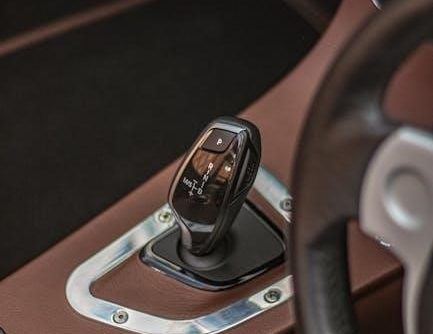
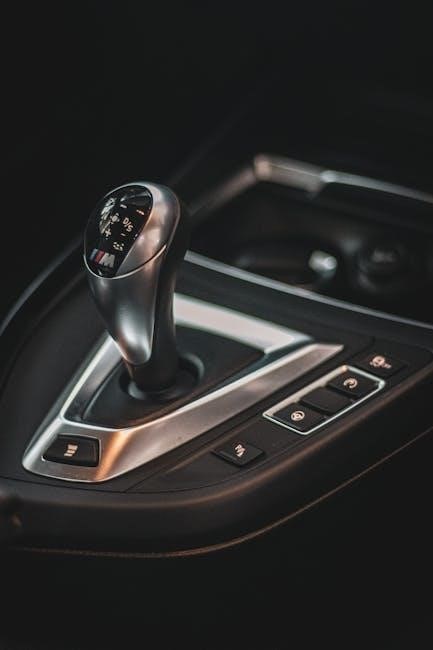
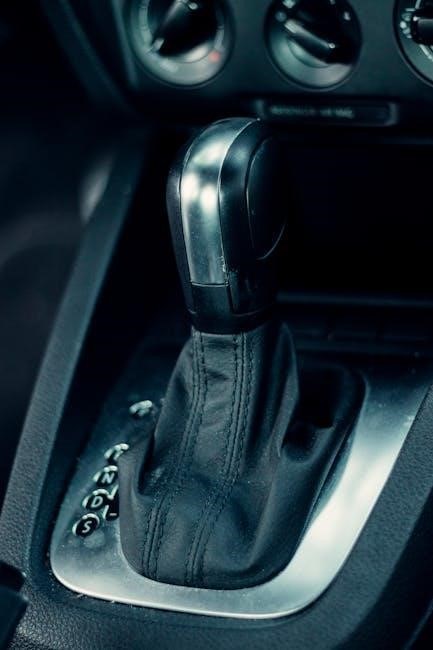
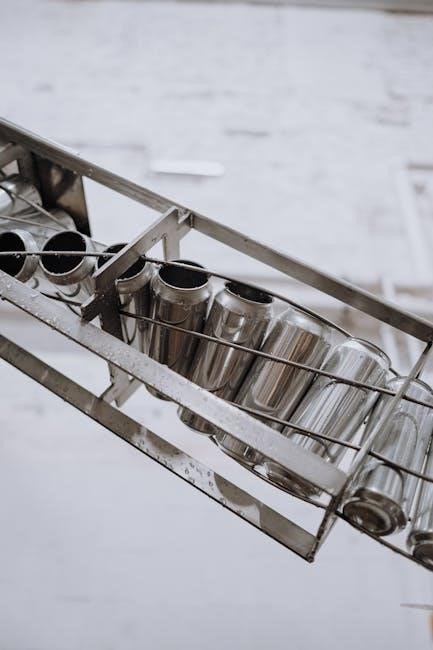
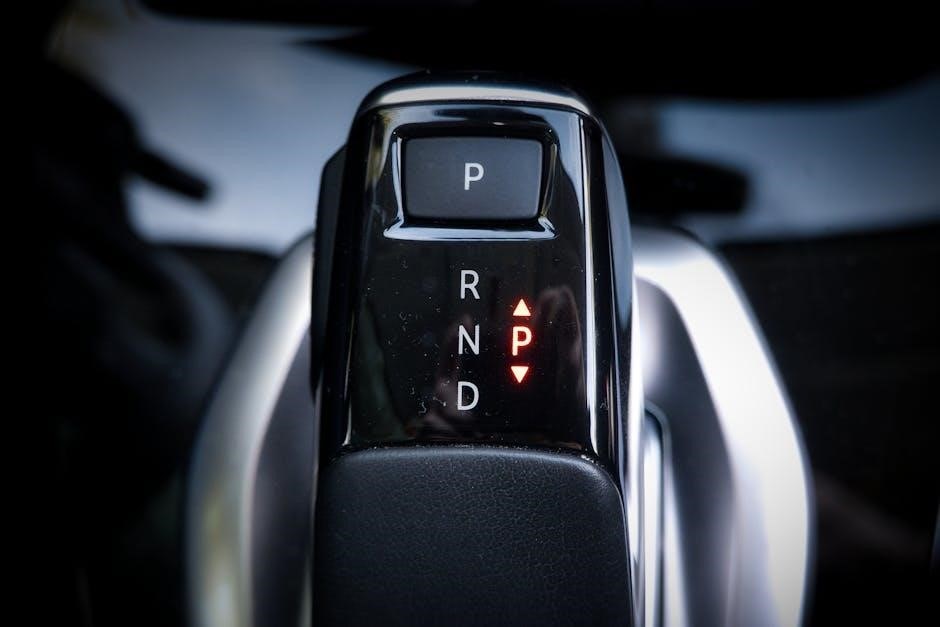
Replacing the manual shifter requires a complete automatic shifter assembly, often necessitating console modifications. This involves removing the existing manual shifter mechanism and installing the new automatic setup, which may require cutting, trimming, or fabricating console panels for a clean fit. Careful planning and potentially custom fabrication are essential for a professional-looking and functional installation.
Transmission Mount ⎯ Ensuring Proper Fitment
Automatic transmissions often differ in size and mounting points compared to manual versions. Therefore, a new transmission mount specifically designed for the automatic transmission and your vehicle is crucial. Ensuring proper fitment prevents excessive vibration and stress on the transmission and chassis. Adapters might be needed if direct replacements aren’t available, demanding precise alignment for optimal performance.
Driveshaft Modifications ⏤ Length and Compatibility
Switching transmissions often necessitates driveshaft adjustments due to differing lengths between manual and automatic setups. The existing driveshaft may be too long or short, causing vibrations or damage. Modifications can involve shortening or lengthening the driveshaft, or complete replacement with a compatible unit. Ensuring proper alignment and U-joint angles is vital for smooth power transfer and longevity.
Conversion Kits ⏤ A Convenient Option?
Conversion kits streamline the manual-to-automatic swap, bundling essential components like the transmission, shifter, and sometimes even ECU reprogramming solutions. These kits range from $1,500 to $4,000, offering convenience and potentially reducing sourcing headaches. However, total project costs often climb to $5,000-$10,000 including labor and any unforeseen integration challenges.
Types of Conversion Kits Available
Several kit types cater to different needs and budgets. Complete kits include nearly everything for the swap, while partial kits focus on core components, requiring separate purchases for items like wiring harnesses. Some kits are vehicle-specific, ensuring optimal fitment, while universal options demand more customization. Consider the level of mechanical expertise required for each kit type before purchasing.
Cost of Conversion Kits ⎯ Price Ranges
Conversion kit costs typically range from $1,500 to $4,000, but this is just the starting point. Vehicle-specific kits generally command higher prices due to their precision engineering. Universal kits are cheaper, but require more additional parts and labor. Expect to spend significantly more when factoring in the transmission itself, potentially exceeding $5,000-$10,000 overall.
Benefits of Using a Conversion Kit
Conversion kits offer convenience and a more streamlined process, ensuring component compatibility. They often include necessary parts like the shifter assembly and transmission mount, reducing sourcing headaches. Kits minimize fabrication, saving time and potentially lowering labor costs. While more expensive upfront, they can offer a more reliable and predictable conversion, enhancing driving convenience.
ECU and Wiring Modifications
Successfully switching requires adapting the Engine Control Unit (ECU) to manage the automatic transmission. This often involves reprogramming for proper gear selection and shift points. Integrating the new wiring harness is crucial, connecting the transmission to the ECU and other vehicle systems. Potential electrical issues may arise, demanding careful diagnosis and solutions for a smooth operation.
ECU Reprogramming ⎯ Adapting to Automatic Control
The ECU requires reprogramming to recognize and control the automatic transmission, adjusting shift strategies for optimal performance. This involves modifying software parameters to manage gear selection, torque converter lockup, and overall transmission behavior. Failing to properly adapt the ECU can result in poor drivability, incorrect shift points, or even transmission damage, necessitating expert tuning.
Wiring Harness Integration ⏤ Connecting the New System
Integrating the automatic transmission’s wiring harness demands careful attention, connecting sensors, solenoids, and the transmission control module (TCM) to the vehicle’s electrical system. This often requires splicing, adapting connectors, and ensuring proper grounding. Incorrect wiring can lead to electrical shorts, sensor malfunctions, or complete system failure, highlighting the need for precise execution and thorough testing.
Potential Electrical Issues and Solutions
Electrical gremlins are common post-conversion; issues include erratic shifting, check engine lights, or complete transmission failure. Solutions involve meticulously checking all connections, verifying voltage levels, and diagnosing sensor signals with a scan tool. Wiring harness compatibility problems often necessitate custom adapters or ECU reprogramming to resolve communication errors and ensure seamless operation.
Mechanical Modifications ⏤ Beyond the Basics
Beyond the core swap, significant mechanical work is needed. Removing the clutch pedal and potentially modifying the brake system for proper functionality are crucial. An automatic transmission cooler installation is vital to prevent overheating. Driveshaft length adjustments are often necessary for correct fitment, and ensuring proper transmission mounting is paramount for smooth operation and longevity.
Pedal Assembly Changes ⏤ Removing the Clutch Pedal
A fundamental mechanical change involves removing the clutch pedal, as it’s no longer needed with an automatic transmission. This requires disconnecting the pedal linkage and potentially blanking off the opening. Careful consideration must be given to ensure no interference with the brake or accelerator pedals. Proper removal avoids future operational issues and maintains a clean interior aesthetic.
Brake System Adjustments ⏤ Ensuring Proper Functionality
Post-conversion, verifying brake system functionality is crucial. Removing the clutch pedal can subtly alter pedal feel or travel. A thorough inspection and adjustment of the brake lines, master cylinder, and pedal ratios are essential. Ensuring optimal braking performance guarantees safety and driver confidence after the transmission swap. Professional assessment is highly recommended for precise calibration.
Cooling System Considerations ⎯ Automatic Transmission Cooler
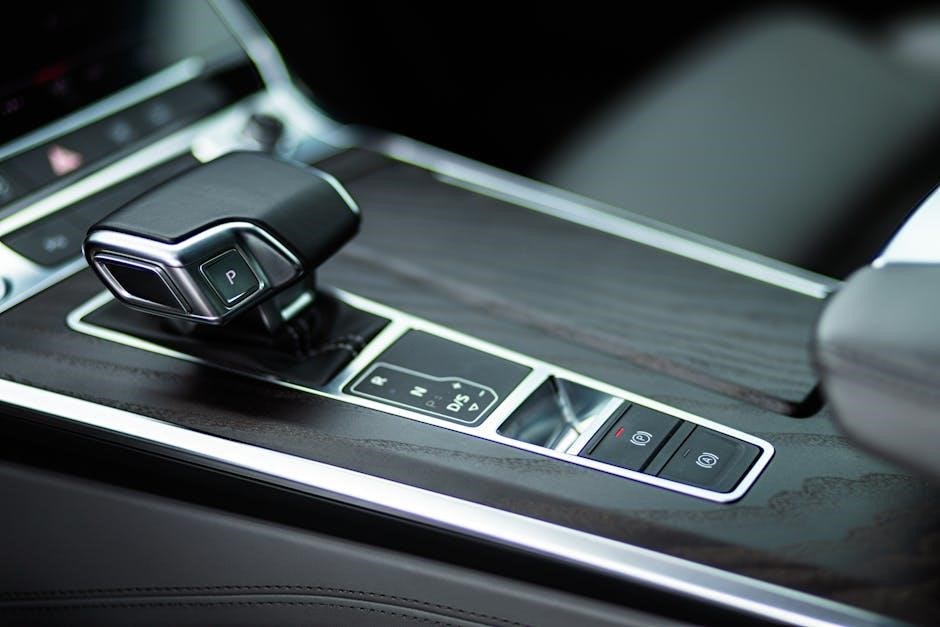
Automatic transmissions generate significantly more heat than manuals, necessitating a dedicated cooling system. Installing an auxiliary transmission cooler is vital to prevent overheating and ensure longevity. This cooler, often mounted in front of the radiator, dissipates excess heat. Proper sizing and installation are critical for optimal performance and preventing transmission damage during demanding driving conditions.
Regulatory Compliance and Legal Considerations
Converting a manual to automatic requires careful attention to local laws and vehicle inspection regulations. Modifications may impact vehicle registration and insurance requirements, potentially necessitating an inspection to verify compliance. Ensure the conversion meets safety standards and emissions regulations in your area. Failing to do so could result in legal issues or prevent vehicle registration.
Local Laws and Vehicle Inspections
Before undertaking a manual-to-automatic conversion, thoroughly research local laws regarding vehicle modifications. Many jurisdictions require inspections to ensure altered vehicles meet safety and emissions standards. These inspections verify the conversion’s legality and roadworthiness. Confirm if a changed transmission necessitates a vehicle identification number (VIN) update or a re-inspection process, avoiding potential legal complications.
Impact on Vehicle Registration and Insurance
A transmission swap may require updating your vehicle registration, as it’s a significant modification. Inform your insurance provider immediately; failure to do so could invalidate your coverage. Insurance premiums might increase due to the altered vehicle profile; Be prepared to provide documentation proving the conversion’s professional installation and compliance with safety regulations to both agencies.
Finding a Qualified Mechanic
Locate a mechanic with proven experience in manual-to-automatic conversions – it’s a specialized skill. Verify their credentials and thoroughly review online reviews and testimonials. Ask detailed questions about their process, including ECU reprogramming and wiring integration expertise. A qualified mechanic understands regulatory compliance and can ensure a safe, reliable conversion, avoiding future issues.
Importance of Experience with Conversions
A successful manual-to-automatic swap demands specialized knowledge; it’s not a standard repair. Experienced mechanics understand the intricacies of ECU reprogramming, wiring harness integration, and potential electrical issues. They’ve likely encountered similar conversions, minimizing risks and ensuring proper functionality. Their expertise translates to a smoother process, accurate diagnostics, and a reliable, compliant vehicle post-conversion.
Checking Credentials and Reviews
Verify a mechanic’s certifications and experience specifically with transmission conversions. Online reviews offer valuable insights into past customer experiences – look for consistent praise regarding similar projects. Don’t hesitate to ask for references and contact them directly. A transparent shop will readily provide this information, demonstrating confidence in their work and commitment to quality results.
Potential Problems and Troubleshooting
Post-conversion, expect potential issues like incorrect ECU programming causing shifting problems, or wiring harness incompatibility leading to electrical faults. Diagnostic tools are crucial for identifying error codes. Common concerns include transmission slipping, harsh shifting, or cooler line leaks. Thorough testing and careful inspection are vital for a smooth, reliable operation after the complex conversion process.
Common Issues After Conversion
Frequently reported problems post-conversion include erratic shifting patterns due to improper ECU calibration, or a failure to fully integrate the wiring harness. Slipping gears and delayed engagement are also common, often stemming from torque converter mismatches. Inspect cooler lines for leaks and monitor transmission fluid levels diligently. Address these promptly to prevent further damage.
Diagnostic Tools and Techniques
Employ an OBD-II scanner to retrieve diagnostic trouble codes (DTCs) related to the transmission and ECU. A pressure gauge can assess hydraulic system functionality, identifying potential pump or solenoid issues. Thoroughly inspect wiring connections for corrosion or damage. Road testing, while monitoring shift quality, is crucial for pinpointing intermittent problems. Data logging can reveal subtle inconsistencies.
Long-Term Maintenance of a Converted Transmission
Regular fluid and filter changes are paramount, typically every 30,000 to 60,000 miles, using the manufacturer’s specified fluid. Consistent inspections for leaks around seals and connections are vital. Monitor for unusual noises or shifting patterns. Proactive maintenance prevents costly repairs and extends the transmission’s lifespan, ensuring smooth operation post-conversion.
Fluid Changes and Filter Replacements
Automatic transmissions require periodic fluid and filter changes, generally every 30,000 to 60,000 miles, though this varies by vehicle and driving conditions. Using the correct fluid type is crucial; consult your vehicle’s manual. Filter replacements ensure optimal fluid cleanliness, preventing damage. Neglecting these services can lead to premature wear and costly transmission failure.
Regular Inspections and Preventative Maintenance

Consistent inspections are vital for a converted transmission. Check for leaks, unusual noises, and smooth shifting. Address any issues promptly to prevent escalation. Routine maintenance, including fluid level checks and visual inspections of lines, extends the transmission’s lifespan. Proactive care minimizes the risk of expensive repairs down the road, ensuring reliable performance.
Alternatives to a Full Conversion
While a full conversion offers complete automation, limited add-ons exist. Exploring driver-assistance technologies like automatic rev-matching systems can enhance the driving experience without a complete overhaul. These options provide some convenience, but don’t replicate a fully automatic transmission. Carefully weigh the costs and benefits before committing to a complex and expensive conversion process.
Automatic Transmission Add-ons (Limited Options)
Truly automatic add-ons for manual transmissions are scarce. Some aftermarket systems offer automated clutch and shifting assistance, but these are often expensive and may compromise reliability. They don’t fully replicate a traditional automatic experience. Exploring these limited options requires careful research, as compatibility and performance can vary significantly between vehicles and systems.
Exploring Other Driver Assistance Technologies
Before committing to a full conversion, consider driver assistance technologies that enhance the manual driving experience. Features like hill-start assist and adaptive cruise control can reduce driver fatigue. While not a replacement for automatic convenience, these systems offer a compromise, improving usability without the substantial cost and complexity of a complete transmission swap.
DIY vs. Professional Installation
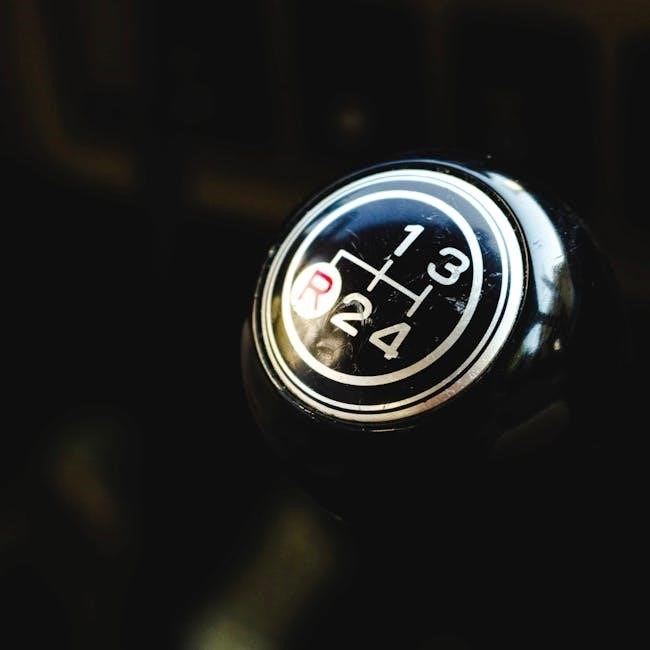
A DIY manual-to-automatic conversion demands significant mechanical expertise, specialized tools, and a thorough understanding of automotive systems. Professional installation, while pricier, ensures accuracy and minimizes risks. Incorrect wiring or mechanical errors can lead to costly repairs and safety hazards. Assess your skill level honestly; a professional offers peace of mind and a guaranteed outcome.
Skill Level Required for a DIY Conversion
A successful DIY conversion necessitates advanced mechanical skills – proficient in engine removal, transmission installation, wiring harness integration, and ECU reprogramming. Expect extensive fabrication, potentially including driveshaft modification and pedal assembly changes. Diagnostic capabilities are crucial for troubleshooting post-conversion issues. This isn’t a beginner project; professional-level experience is highly recommended for a safe and reliable outcome.
Risks and Benefits of Each Approach
DIY conversions offer cost savings but carry significant risks: potential for errors, safety concerns, and voided warranties. Professional installation ensures expertise and proper integration, albeit at a higher cost. Benefits include convenience and increased vehicle value. However, improper installation can lead to transmission failure or safety hazards, making a qualified mechanic a prudent investment.
Estimated Timeline for the Conversion Process
The conversion typically spans 3-7 days for professionals, factoring in parts acquisition, mechanical work, ECU reprogramming, and thorough testing. DIY projects can extend significantly, potentially taking weeks or months, depending on skill level and unforeseen complications. Delays may arise from parts availability or unexpected issues during integration, impacting the overall project schedule.
From Start to Finish ⏤ A Realistic Schedule
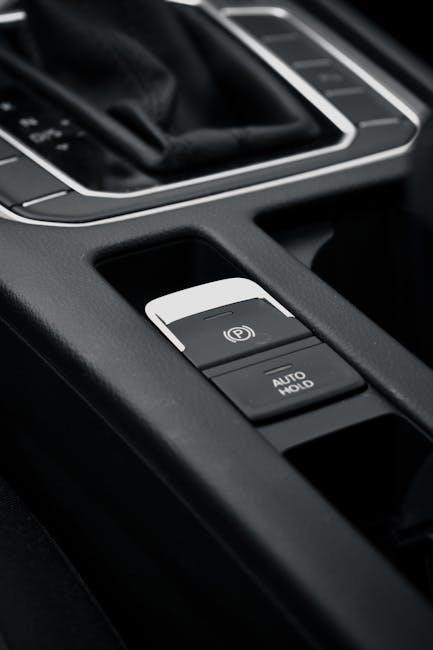
Initially, allow 1-2 days for parts gathering – transmission, torque converter, shifter, and related components. Mechanical installation consumes 2-4 days, including pedal adjustments and driveshaft modifications. ECU reprogramming and wiring integration require another 1-2 days. Finally, dedicate a full day for testing, fluid checks, and resolving any arising issues, ensuring a smooth and reliable conversion process.
Resources for Further Information
Explore dedicated online forums and communities focused on automotive conversions for invaluable insights and shared experiences. Consult manufacturer websites for specific technical documentation related to your vehicle model. Seek guidance from experienced mechanics specializing in transmission swaps. Utilize reputable automotive websites offering detailed guides and cost estimations for manual-to-automatic conversions, aiding informed decision-making.
Online Forums and Communities
Engage with automotive enthusiasts on platforms like Reddit’s r/MechanicAdvice and dedicated car forums. These communities offer a wealth of knowledge, real-world experiences, and troubleshooting advice from individuals who’ve undertaken similar conversions. Search for threads specifically addressing manual-to-automatic swaps for your vehicle make and model, gaining valuable perspectives and potential pitfalls to avoid.
Manufacturer Websites and Technical Documentation
Accessing official resources from vehicle manufacturers and transmission suppliers is crucial; While direct conversion guides are rare, schematics, wiring diagrams, and parts lists can prove invaluable. Explore technical service bulletins (TSBs) for related issues. Websites often detail component specifications, aiding compatibility checks and ensuring a proper, safe conversion process, minimizing potential long-term complications.