
Atlantic Boiler User Manual: A Comprehensive Guide
Welcome! This manual provides essential guidance for optimal performance and longevity of your Atlantic boiler, covering installation, operation, and maintenance procedures.
Explore detailed sections on domestic hot water, room heating, and bathroom heating systems, alongside insights into heat pumps and commercial calorifiers.
Atlantic has a long-standing reputation for innovation and reliability in the heating industry, offering a diverse range of boiler solutions for domestic and commercial applications. This section introduces you to the core principles behind Atlantic boiler technology and its commitment to energy efficiency.
Whether you require a system for domestic hot water, efficient room heating, or specialized bathroom heating, Atlantic provides tailored solutions. Their expertise extends to advanced heat pump technology and robust commercial calorifiers, demonstrating a comprehensive understanding of heating needs.
This manual will guide you through understanding your specific Atlantic boiler model, ensuring safe operation and maximizing its performance. From initial setup to regular maintenance, we’ll cover everything you need to know. Proper installation, as detailed in supporting documentation, is crucial for optimal functionality and longevity. Explore the available assistance resources for further support.
Understanding Your Atlantic Boiler Model
Identifying your specific Atlantic boiler model is the first step towards effective operation and maintenance. Each model possesses unique characteristics and features designed for specific heating requirements. Refer to the boiler’s nameplate, typically located on the casing, to find the model number and serial number.
Atlantic boilers cater to diverse needs, including systems for domestic hot water, room heating, and bathroom heating. Some models incorporate advanced heat pump technology, while others are designed as commercial calorifiers. Understanding these distinctions is vital.
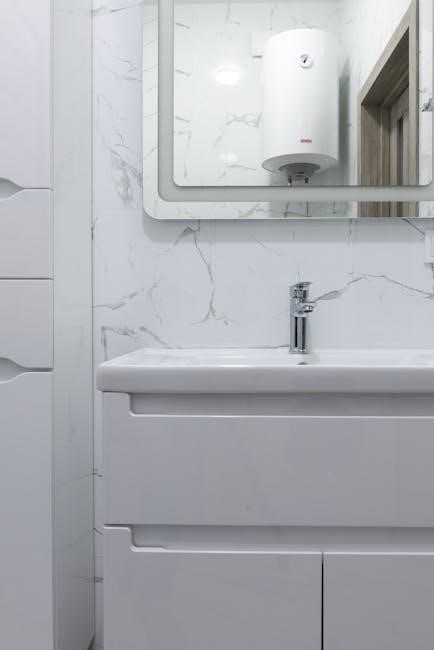
This manual provides general guidance, but always consult the documentation specific to your model. Familiarize yourself with the control panel layout, safety features, and recommended operating parameters. Knowing your boiler’s capabilities ensures efficient performance and allows you to utilize its full potential. Access further details through Atlantic’s assistance resources.
Safety Precautions & Warnings
Prioritizing safety is paramount when operating your Atlantic boiler; Never attempt repairs or modifications yourself; always engage a qualified and certified technician. Improper handling can lead to serious injury or system damage.
Ensure adequate ventilation in the boiler room to prevent carbon monoxide build-up. Regularly inspect flue pipes for blockages or damage. Be aware of hot surfaces and avoid contact during and after operation.
Do not store flammable materials near the boiler. Familiarize yourself with emergency shut-off procedures. If you smell gas, immediately shut off the gas supply and contact your gas provider. Atlantic provides assistance resources for safety concerns. Ignoring these warnings could invalidate your warranty and compromise your well-being. Always follow local regulations and guidelines.
Boiler Components & Their Functions
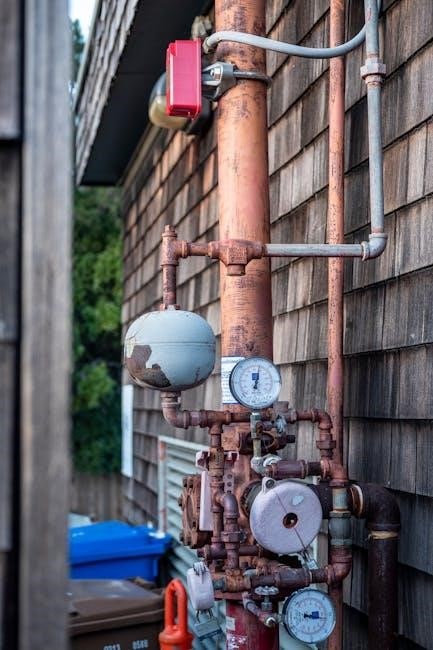
Discover the core elements powering your Atlantic boiler: the heat exchanger, burner, control panel, and circulating pump – each vital for efficient operation.
The Heat Exchanger: Core of the System
Understanding the Heat Exchanger: The heat exchanger is the central component within your Atlantic boiler, responsible for transferring heat from the combustion process to your home’s water supply. It’s a meticulously engineered network of tubes or plates designed for maximum efficiency and durability.
How it Works: Hot gases produced by the burner pass around these tubes or plates, heating the water circulating within. This heated water is then distributed for both central heating and domestic hot water needs. The design minimizes heat loss, maximizing fuel efficiency.
Material & Construction: Atlantic boilers utilize high-quality materials in their heat exchangers, often stainless steel or copper, to resist corrosion and ensure a long lifespan. Regular maintenance, including descaling (discussed later), is crucial to prevent limescale buildup which can significantly reduce heat transfer efficiency and potentially damage the exchanger.
Importance of Inspection: Periodic visual inspections during servicing can identify potential issues like corrosion or leaks, allowing for timely repairs and preventing costly failures. A properly functioning heat exchanger is paramount for safe and efficient boiler operation.
The Burner: Fuel & Ignition
The Role of the Burner: The burner is the heart of your Atlantic boiler’s heat generation. It’s responsible for mixing fuel – typically natural gas or propane – with air and igniting the mixture to create a controlled flame. This flame then heats the heat exchanger, initiating the heating process for your home.
Ignition System: Modern Atlantic boilers employ reliable ignition systems, often utilizing electronic spark ignition instead of traditional pilot lights. This enhances safety and improves energy efficiency by eliminating the continuous gas consumption of a pilot flame.
Fuel Supply & Airflow: Proper fuel supply and airflow are critical for optimal burner performance. The boiler’s control system regulates these parameters to ensure complete combustion, minimizing harmful emissions and maximizing heat output.
Safety Features: Burners are equipped with safety features like flame sensors that automatically shut off the gas supply if the flame is extinguished, preventing gas leaks. Regular servicing ensures the burner operates cleanly and safely.
The Control Panel: User Interface
Navigating the Interface: Your Atlantic boiler’s control panel serves as the central hub for managing all boiler functions. It typically features a digital display and intuitive buttons or a touchscreen interface for easy operation. Familiarize yourself with the layout to efficiently adjust settings.
Key Functions: The control panel allows you to set desired room temperatures, program heating schedules, manage domestic hot water settings, and monitor boiler status. Error codes are also displayed here, providing valuable diagnostic information.
Mode Selection: Easily switch between heating, hot water, and off modes directly from the control panel. Advanced models may offer additional modes like ‘Eco’ for energy savings.
System Monitoring: The display often shows crucial system parameters like water pressure and operating temperature. Regularly checking these values helps ensure optimal performance and identify potential issues early on.
Circulating Pump: Water Flow Management
Essential Component: The circulating pump is a vital part of your Atlantic boiler system, responsible for continuously moving hot water throughout your heating network – radiators, underfloor heating, or hot water circuits. Proper function ensures even heat distribution.

Pump Operation: Typically, these pumps operate automatically, adjusting their speed based on the system’s heating demand. Some models feature adjustable speed settings for optimized efficiency and noise reduction.
Potential Issues: A failing circulating pump can manifest as cold spots in your heating system, unusual noises (humming or rattling), or a complete lack of heat. Regular checks are crucial.
Maintenance: While generally low-maintenance, it’s important to ensure the pump isn’t blocked by debris. Periodic professional servicing can extend its lifespan and maintain optimal performance. Ignoring pump issues can lead to system inefficiency and potential damage.

Operating Your Atlantic Boiler
Get Started: This section details the practical aspects of using your Atlantic boiler, from initial startup to daily operation and programming for optimal comfort.
Initial Startup & Commissioning
Before First Use: Carefully inspect the boiler for any shipping damage. Ensure all packaging materials are removed and the unit is positioned according to the installation guidelines. Verify the electrical connection matches the boiler’s specifications and is properly grounded.
Water System Check: Before powering on, confirm the water system is adequately filled and pressurized. Check for any leaks in the pipework and connections. Insufficient water pressure can cause operational issues and potentially damage the boiler.
Powering On & Initial Cycle: Switch on the boiler using the main power switch. The control panel will initiate a self-diagnostic sequence. Allow the boiler to complete a full heating cycle to purge air from the system. Monitor the pressure gauge during this process.
Commissioning by a Professional: For optimal performance and safety, it is strongly recommended that a qualified heating engineer commissions the boiler. They will verify all settings, ensure correct operation, and provide guidance on system controls.
Setting the Temperature & Hot Water
Central Heating Temperature: Utilize the control panel to adjust the desired central heating temperature. Most Atlantic boilers offer both preset and programmable temperature settings. Experiment to find a comfortable balance between warmth and energy efficiency. Consider utilizing lower temperatures overnight or when the property is unoccupied.

Domestic Hot Water Temperature: The control panel also allows adjustment of the domestic hot water temperature. A typical setting ranges from 50°C to 60°C (122°F to 140°F). Higher temperatures provide quicker hot water delivery but increase energy consumption.
Anti-Legionella Function: Many models feature an anti-legionella function, periodically raising the hot water temperature to eliminate potential bacterial growth. This function is usually automatic but can sometimes be adjusted.
Modulation & Efficiency: The boiler modulates its output based on demand, optimizing efficiency. Avoid excessively high temperature settings, as this can reduce efficiency and increase running costs.
Understanding Boiler Modes (Heating, Hot Water, Off)
Heating Mode: When selected, the boiler prioritizes maintaining the set central heating temperature. The burner activates as needed to deliver heat to your radiators or underfloor heating system. This mode is ideal during colder months for consistent warmth throughout your home.
Hot Water Mode: This mode prioritizes heating domestic hot water. When a hot water tap is opened, the boiler fires up to provide instant hot water. It will typically switch back to standby once the tap is closed.
Off Mode: Selecting ‘Off’ completely shuts down the boiler, ceasing both heating and hot water production. Use this mode during extended periods of absence or warmer weather when heating isn’t required.
Combined Mode: Some Atlantic boilers offer a combined mode, simultaneously providing both heating and hot water when demand exists, optimizing comfort and efficiency.
Using the Timer & Programming Functions
Timer Function: Your Atlantic boiler’s timer allows you to schedule heating and hot water operation for specific times of the day. This minimizes energy waste by only providing heat when needed, reducing your utility bills.
Programming Options: Explore the programming functions to create customized heating schedules for weekdays and weekends. You can set different temperatures for various periods, like morning, daytime, evening, and night.
Preset Programs: Many models include preset programs for convenience. These offer common heating schedules, which you can adjust to suit your lifestyle.
Advanced Settings: Delve into advanced settings for features like holiday mode, allowing you to maintain a minimal temperature while you’re away, preventing frozen pipes and ensuring a warm welcome upon your return.
Maintenance & Troubleshooting
Regular checks are vital for sustained efficiency. This section details routine tasks, descaling procedures, error code resolutions, and boiler reset instructions for optimal function.

Regular Maintenance Tasks (Monthly/Annual)
Monthly inspections should include a visual check of the boiler casing for any signs of damage, leaks, or corrosion. Verify the flue is unobstructed and free from debris, ensuring proper ventilation. Confirm the pressure gauge reading is within the recommended range – typically between 1 and 1.5 bar.
Annual servicing, performed by a qualified technician, is crucial. This involves a thorough cleaning of the heat exchanger to maintain efficiency and prevent limescale build-up. The burner will be inspected and adjusted for optimal combustion.
The technician will also examine the circulating pump, controls, and safety devices, ensuring they function correctly. A combustion analysis will verify efficient operation and minimize emissions. Record all servicing details for warranty purposes and future reference. Ignoring these tasks can lead to reduced performance and potential breakdowns.
Descaling the Boiler: Preventing Limescale Build-up
Limescale formation within your Atlantic boiler significantly reduces heating efficiency and can lead to component failure. Hard water areas are particularly susceptible. Descaling removes these mineral deposits, restoring optimal performance.
Professional descaling is recommended annually, utilizing specialized cleaning solutions. A qualified technician will safely circulate the descaling agent through the system, dissolving the limescale.
Preventative measures include installing a water softener to reduce the mineral content of your water supply. Regular flushing of the system can also help minimize build-up. Ignoring descaling leads to increased energy consumption, noisy operation, and potentially costly repairs. Always follow the manufacturer’s instructions and safety guidelines during any descaling procedure. Consistent maintenance extends your boiler’s lifespan.
Troubleshooting Common Error Codes
Atlantic boilers utilize error codes to diagnose issues, displayed on the control panel. These codes pinpoint the source of the problem, aiding in swift resolution. Common codes include those related to flame detection, water pressure, overheating, and circulation pump faults.
Refer to the error code list in this manual (or the Atlantic website) for specific explanations. Simple fixes, like checking the gas supply or resetting the boiler, may resolve some errors. However, complex issues require a qualified technician.
Never attempt repairs yourself if you are not professionally trained. Ignoring error codes can lead to further damage and compromise safety. Document the error code before contacting support for efficient assistance. Regular maintenance minimizes the occurrence of error codes, ensuring reliable operation.
Resetting Your Atlantic Boiler
Resetting your Atlantic boiler can resolve minor operational glitches, but should not be a substitute for professional servicing. Before resetting, ensure the gas supply is on and the boiler isn’t experiencing a major fault indicated by persistent error codes.
The reset procedure typically involves locating the reset button – often a small, recessed button on the control panel. Press and hold this button for several seconds until the boiler attempts to restart. Observe the control panel for any error messages after the reset.
If the boiler fails to restart or displays the same error code repeatedly, contact a qualified technician. Frequent resets suggest an underlying issue needing professional attention. Always prioritize safety and avoid resetting during or immediately after a gas leak or other hazardous situation.

Advanced Features & Settings
Unlock full potential! Explore eco mode, remote control options, and smart home integration for optimized energy savings and convenient boiler management.
Eco Mode & Energy Saving Tips
Maximize Efficiency: Atlantic boilers feature an Eco Mode designed to reduce energy consumption without significantly impacting comfort levels. When activated, Eco Mode optimizes burner operation, lowering water temperature slightly and extending heating cycles for improved efficiency.
Practical Tips for Savings: Combine Eco Mode with these strategies: ensure proper insulation throughout your home to minimize heat loss; program the timer to align heating with occupancy patterns; regularly bleed radiators to maintain optimal heat output; and consider a smart thermostat for intelligent temperature control.
Understanding the Benefits: Utilizing Eco Mode and these energy-saving practices not only lowers your heating bills but also reduces your carbon footprint, contributing to a more sustainable lifestyle. Regularly review your energy usage to assess the effectiveness of these measures and make further adjustments as needed.
Remote Control & Smart Home Integration
Enhanced Control at Your Fingertips: Many Atlantic boiler models offer compatibility with remote control systems and smart home platforms, providing unparalleled convenience and control over your heating. These systems allow you to adjust temperature settings, monitor boiler status, and schedule heating cycles from anywhere with an internet connection.
Seamless Integration: Integration with popular smart home ecosystems, such as Google Home or Amazon Alexa, enables voice control and automated heating routines. This allows for hands-free operation and personalized comfort settings based on your lifestyle.
Benefits of Connectivity: Remote access also facilitates early detection of potential issues, allowing for proactive maintenance and preventing costly repairs. Explore the Atlantic Comfort app or compatible third-party solutions to unlock the full potential of your boiler’s smart capabilities.
Understanding System Pressure & Top-Up Procedures
Maintaining Optimal Pressure: Your Atlantic boiler operates most efficiently within a specific system pressure range, typically between 1 and 1.5 bar. Regularly monitoring the pressure gauge on the control panel is crucial for ensuring optimal performance and preventing potential issues.
Identifying Low Pressure: If the pressure falls below 1 bar, the boiler may not function correctly and could display an error code. Low pressure often indicates a leak within the heating system, which should be investigated by a qualified technician.
Top-Up Procedure: To restore pressure, locate the filling loop (usually near the boiler). Open both valves on the filling loop and observe the pressure gauge until it reaches the recommended range. Close the valves once the desired pressure is achieved. Caution: Never exceed 2 bar.
Technical Specifications & Support
Detailed Information: This section outlines boiler dimensions, weight, and crucial warranty details for registration, alongside comprehensive support resources for assistance.
Boiler Dimensions & Weight
Understanding Physical Specifications: Accurate dimensions and weight are critical for proper installation and ensuring sufficient space within your designated boiler room. Atlantic boilers are available in a range of sizes to accommodate diverse home layouts and heating demands.
Typical compact models may measure approximately 600mm in height, 400mm in width, and 250mm in depth, weighing around 30-40 kilograms. Larger, higher-capacity units designed for extensive central heating systems can reach dimensions of 800mm height, 600mm width, and 300mm depth, with a corresponding weight of 50-65 kilograms.
Important Considerations: Always consult the specific model’s datasheet – available on the Atlantic Comfort website (atlantic-comfort.com/Documentation) – for precise measurements. Account for necessary clearances around the boiler for maintenance access and ventilation. Incorrect installation due to insufficient space can compromise performance and safety.
Warranty Information & Registration
Protecting Your Investment: Atlantic boilers are built to last, and your purchase is protected by a comprehensive warranty. Standard warranties typically cover parts and labor for a period of 2-5 years, depending on the specific model and region. Extended warranty options may also be available for enhanced peace of mind.
Registration is Key: To activate your warranty and ensure seamless access to support, immediate online registration is crucial. Visit the Atlantic Comfort website (atlantic-comfort.com/Documentation) and locate the warranty registration portal. You will need your boiler’s serial number and proof of purchase.
Terms & Conditions: Carefully review the full warranty terms and conditions, outlining coverage details, exclusions, and claim procedures. Regular maintenance, as outlined in this manual, is often a requirement to maintain warranty validity. Failure to register may void your warranty benefits.