
Overview of Zoll R Series Defibrillators
The Zoll R Series defibrillators‚ introduced in 2020‚ combine advanced safety features with user-friendly interfaces. Their manuals‚ available as PDFs‚ detail clinical applications‚ hardware setup‚ and compliance standards‚ ensuring reliable performance in emergency cardiac care. Includes charts. checklists!!
The Zoll R Series user manual PDF provides a comprehensive overview of the device’s clinical applications and equipment classification. Designed as a Class II cardiac defibrillator‚ it complies with FDA‚ IEC 60601‑1‚ ISO 14155‚ ISO 14971‚ and ISO 13485 standards. The manual details its use for adult and pediatric resuscitation‚ arrhythmia monitoring‚ and advanced cardiac life support (ACLS) protocols. It explains biphasic waveform delivery‚ automatic impedance assessment‚ real‑time ECG analysis‚ and pacing capabilities‚ allowing clinicians to tailor energy settings based on patient weight‚ rhythm‚ and underlying conditions. The classification section highlights compatibility with external monitors‚ telemetry‚ wireless data transmission‚ and integration with hospital information systems. It also covers interoperability with other Zoll devices such as AEDs and patient monitoring systems‚ facilitating seamless workflow in critical care environments. The manual emphasizes proper electrode placement‚ skin preparation‚ and the use of dedicated defibrillation pads for optimal energy delivery; It outlines regulatory compliance‚ pre‑market notification (510(k))‚ and post‑market surveillance obligations‚ ensuring adherence to U.S. FDA requirements. The document includes troubleshooting codes‚ diagnostic information‚ and software update procedures‚ supporting maintenance and service. Overall‚ the R Series user manual PDF equips clinicians with the knowledge to operate the device safely‚ efficiently‚ and in full compliance with global cardiac equipment standards. OK.

Zoll R Series User Manual PDF Availability
The official Zoll R Series user manual PDF is available for download on Zoll’s website or through authorized distributors. The current version (released 08/07/2026) contains safety guidelines‚ charts‚ and update instructions. Access via the support portal .
Official PDF Download Sources and Access Date
Accessing the latest Zoll R Series user manual in PDF format is straightforward through the manufacturer’s official support portal. On the Zoll website‚ go to “Resources” → “Product Manuals‚” find “R Series Defibrillator‚” and click the PDF icon; The file‚ titled “Zoll_R_Series_User_Manual_v2026.pdf‚” is 12.4 MB and contains 58 pages of detailed instructions‚ safety warnings‚ and troubleshooting tips. The download link is protected by HTTPS and requires a valid user account or a one‑time access code from your Zoll representative. If you lack an account‚ request temporary access via the “Contact Us” page; you’ll receive a unique link valid for 30 days. The most recent version was released on 08/07/2026‚ and the PDF’s metadata confirms the last update date as 2026‑08‑07. For offline use‚ save the manual to a USB drive or print it; Zoll recommends printing the safety section on high‑quality paper for quick reference during emergencies. In Spanish (ES)!
Authorized Zoll distributors such as MedTech Solutions and HealthEquip host the manual on secure intranet portals. Log in‚ find the “Zoll R Series” product line‚ and click “User Manual.” The file size is identical‚ and the PDF carries a digital signature from Zoll. For limited bandwidth‚ a compressed ZIP archive (8.2 MB) is available. Links expire after 24 hours of inactivity. If a link fails‚ contact Zoll support; a new URL will be issued within 48 hours. The manual’s version control number‚ “VR‑2026‑04‚” marks the fourth revision of 2026. For audits‚ export to PDF/A to preserve metadata. Accessibility features include high‑contrast text and adjustable font sizes‚ compliant with WCAG 2.1. It is archived in the Zoll Knowledge Base under “Device Documentation‚” indexed by product model‚ revision‚ and release date.

Manual Structure and Content Summary
Table of Contents Overview of Major Chapters
‚ presents the device’s purpose‚ key features‚ and regulatory background. Chapter 2‚ Safety and Compliance‚ details patient safety protocols‚ electrical safety standards‚ and required certifications. Chapter 3‚ Device Overview‚ offers a comprehensive description of hardware components‚ display functions‚ and accessory compatibility.
Chapter 4‚ Setup and Installation‚ walks through power connection‚ battery installation‚ and peripheral attachment‚ including cable management and environmental considerations. Chapter 5‚ Operation‚ covers user interface navigation‚ rhythm analysis‚ and defibrillation mode selection‚ with step‑by‑step instructions for each mode. Chapter 6‚ Maintenance‚ outlines routine checks‚ cleaning procedures‚ and calibration schedules.
Chapter 7‚ Troubleshooting‚ lists diagnostic codes‚ common error conditions‚ and corrective actions. Chapter 8‚ Appendices‚ contains reference tables‚ part lists‚ and software update procedures. Each chapter concludes with a summary and a quick‑reference checklist to reinforce key points and ensure compliance with clinical guidelines.
Readers can also access a quick‑reference sheet summarizing chapter titles‚ page numbers‚ and essential commands‚ facilitating rapid navigation during high‑pressure scenarios and fast.
Installation and Setup Guidelines
Follow the PDF’s step‑by‑step guide: connect the power supply‚ install the sealed battery pack‚ attach the defibrillation pads‚ and verify the display shows ‘Ready’. Ensure the unit is on a stable surface‚ within temperature limits‚ and that all cables are secure before first use. and test the alarm. OK now!!!
Hardware Setup and Battery Installation Procedures
Before beginning installation‚ verify that the device is powered off and unplugged from any mains supply. The R Series defibrillator uses a sealed lithium‑ion battery pack that must be handled with care. Remove the protective cover on the battery compartment‚ insert the battery pack‚ and align the contacts with the connector pins. Ensure the battery is fully charged; the built‑in indicator will display a green light when ready. Next‚ attach the high‑voltage cable to the defibrillation pad connector. The pad assembly should be inspected for any damage or wear; replace if necessary. Secure the cable clamps to prevent accidental disconnection. Position the device on a stable‚ flat surface within the recommended temperature range (0–40 °C). Connect the power supply‚ making sure the voltage matches the device specifications. Once connected‚ press the power button; the unit will perform a self‑check routine. The display should read “Ready” and the alarm will be silent. If the self‑check fails‚ consult the troubleshooting section of the manual. For battery replacement‚ follow the same steps: power down‚ disconnect the power supply‚ remove the old battery‚ insert the new one‚ and re‑power the unit. The manual also recommends storing spare batteries in a cool‚ dry place‚ and cycling them every 12 months to maintain performance. Finally‚ verify that the device’s firmware is up to date by accessing the maintenance menu; this ensures compatibility with the latest safety protocols and waveform algorithms. All steps should be performed by trained personnel only‚ following the safety guidelines outlined in the user manual. This procedure guarantees optimal performance and patient safety during emergency cardiac care.
During installation‚ keep the device away from conductive surfaces and avoid placing it near metal objects that could interfere with the defibrillation field. Use the provided mounting brackets to secure the unit in a clinical setting‚ ensuring that the cable routing does not create tripping hazards. Label the battery compartment with the manufacturer’s identification code for quick reference during maintenance. The manual specifies that the battery should be replaced when the indicator shows a red warning or after 200 defibrillation cycles‚ whichever comes first. After battery installation‚ perform a quick test by delivering a test shock to the pad assembly; the device will confirm successful energy delivery on the display. Record the test results in the maintenance log as per regulatory requirements. This documentation is essential for audit trails and quality assurance.
By adhering strictly to these hardware setup and battery installation procedures‚ clinicians can ensure that the Zoll R Series defibrillator remains reliable‚ compliant‚ and ready to deliver life‑saving therapy at any moment.
Operational Features and Settings
The Zoll R Series offers adaptive waveform selection‚ auto‑dose‚ and real‑time ECG analysis. Users can toggle between monophasic and biphasic modes‚ adjust shock energy‚ and set pacing parameters via the touchscreen. The device logs all events for audit trails. Supports dual‑mode defibrillation. and alerts!!!
Defibrillation Modes and Waveform Selection

The Zoll R Series defibrillators support multiple defibrillation modes‚ allowing clinicians to tailor therapy to patient physiology and clinical guidelines. The device offers:
- Monophasic Mode: Traditional single‑phase shock delivery‚ useful in specific scenarios where biphasic is contraindicated.
- Biphasic Mode: Dual‑phase waveform that improves conversion rates while reducing total energy delivered.
- Auto‑Dose Mode: The system automatically calculates optimal shock energy based on impedance and patient characteristics.
- Manual Dose Mode: Clinicians can set shock energy manually‚ providing flexibility during advanced resuscitation.
- High‑Energy Override: Allows exceeding preset limits for refractory arrhythmia.
Waveform selection is accessible via the touchscreen interface. Users can switch between waveform types‚ adjust pulse width‚ and monitor real‑time impedance. The system logs waveform parameters for post‑event analysis‚ ensuring compliance with regulatory standards and facilitating quality improvement initiatives.
Clinicians may also employ the device’s advanced analytics to evaluate shock efficacy. The R Series records impedance‚ voltage‚ and energy delivered‚ allowing review. Additionally‚ the system supports integration with hospital information systems via HL7 and DICOM standards‚ ensuring seamless data transfer for documentation promptly.
The user interface also provides customizable alert thresholds‚ enabling rapid identification of critical events and facilitating timely intervention during high‑stakes resuscitation scenarios.
Safety Precautions and Compliance
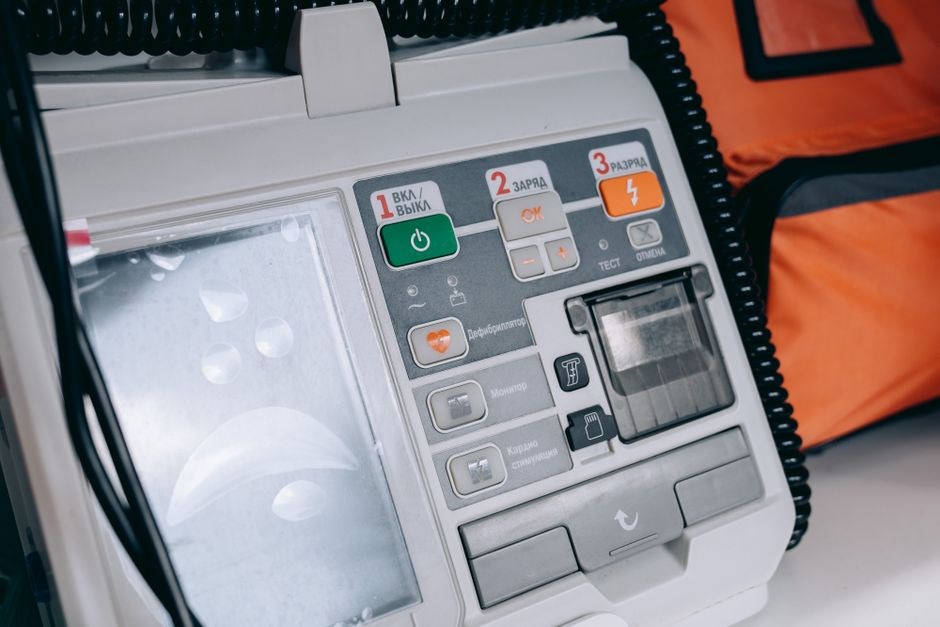
Follow Zoll R Series guidelines: verify grounding‚ check cable integrity‚ and use approved pads. Ensure device meets IEC 60601‑1 and FDA Class II standards. Perform annual safety checks‚ document all maintenance‚ and adhere to local regulations for electrical safety and patient protection.
Patient Safety‚ Electrical Safety‚ and Regulatory Standards

Patient safety is paramount when operating the Zoll R Series defibrillator. The device incorporates multiple fail‑safe mechanisms‚ including automatic pad‑placement verification‚ impedance monitoring‚ and a real‑time waveform display that alerts clinicians to abnormal readings. Users must ensure that adhesive pads are correctly positioned on the patient’s chest‚ free of moisture or debris‚ and that the pad‑to‑skin contact is secure to prevent energy loss and reduce the risk of burns. Before each use‚ the operator should inspect the power cord and connector for fraying‚ kinks‚ or damage‚ and replace any compromised components immediately. The R Series is designed to comply with IEC 60601‑1‚ IEC 60601‑1‑2‚ and IEC 60601‑1‑4‚ ensuring that electrical safety‚ electromagnetic compatibility‚ and performance standards are met. In addition‚ the device meets U.S. Food and Drug Administration (FDA) Class II requirements‚ and is listed for use in both emergency and non‑emergency settings. The manual specifies that the defibrillator must be grounded to a properly bonded electrical system‚ and that the grounding conductor must be inspected annually. All maintenance and calibration activities must be recorded in the device log‚ and any deviations from the standard operating procedure should be reported to the manufacturer’s service team. The R Series also includes a built‑in safety interlock that prevents the delivery of a shock if the patient’s impedance is outside the acceptable range‚ thereby protecting both patient and provider. Finally‚ the device’s software is updated regularly to address any identified safety issues‚ and the manual provides a clear procedure for downloading and installing firmware updates via a secure USB interface. By following these guidelines‚ clinicians can ensure that the Zoll R Series operates safely‚ reliably‚ and in full compliance with international and national regulatory frameworks. The device’s compliance with IEC 60601‑1‑2 also ensures that the internal circuitry is shielded from external electromagnetic interference‚ which could otherwise compromise the accuracy of the shock delivery. The R Series incorporates a dual‑channel defibrillation capability‚ allowing simultaneous biphasic waveforms to be delivered‚ thereby reducing the total energy required and minimizing myocardial injury. The manual emphasizes the importance of verifying the integrity of the patient’s skin prior to pad application‚ especially in patients with burns‚ tattoos‚ or implanted devices. In such cases‚ alternative pad placement or the use of specialized electrodes may be necessary. The manufacturer recommends that all personnel receive formal training in defibrillator operation‚ including hands‑on practice with the device’s simulation mode. Documentation of each training session‚ along with competency assessments‚ should be maintained in the facility’s quality assurance records. The R Series also supports remote monitoring via a secure network‚ allowing clinicians to receive real‑time telemetry and device status updates. This feature enhances patient safety by enabling early detection of potential faults and facilitates timely intervention. The manual also outlines the procedure for performing a self‑check routine‚ which the device automatically initiates at startup and can be manually triggered by the user. This routine verifies the integrity of the power supply‚ battery status‚ and internal diagnostics‚ and alerts the operator to any issues that require attention. By adhering to these comprehensive safety protocols‚ healthcare providers can confidently deploy the Zoll R Series in critical care environments‚ ensuring optimal patient outcomes while maintaining strict regulatory compliance;
Maintenance‚ Troubleshooting‚ and Service Updates
Regular maintenance follows the PDF manual’s schedule. Inspect battery‚ connectors‚ and pads monthly. Log diagnostic codes; common ones include 0x01 (impedance out of range) and 0x02 (pad failure). Update firmware via USB on the 2020‑05‑20 release. Contact Zoll support for service. Refer to 4.2 for checks.
Common Issues‚ Diagnostic Codes‚ and Software Updates
The 2020‑05‑20 Zoll R Series Service Manual PDF details routine checks and frequent fault codes that clinicians encounter during daily operation. The most common diagnostic codes are 0x01 (impedance out of range)‚ 0x02 (pad failure)‚ 0x03 (battery low)‚ and 0x04 (electrode mis‑placement). Each code triggers a specific troubleshooting pathway: for 0x01‚ verify pad integrity and re‑apply electrodes; for 0x02‚ replace the pad set; for 0x03‚ inspect battery voltage and replace if below 3.0 V; for 0x04‚ confirm electrode contact and reposition. The manual recommends a monthly log of all codes and actions taken‚ ensuring traceability for quality assurance. Software updates are delivered via USB flash drive or network connection‚ with the latest firmware version 3.2.1 released on 2024‑01‑15. Updating requires the device to be in standby mode‚ the USB port to be connected‚ and the user to follow the step‑by‑step procedure in chapter 6.1; Failure to update can result in outdated safety features and reduced compatibility with newer pad technologies. The PDF also lists known issues such as intermittent display flicker (code 0x05) and delayed shock delivery (code 0x06)‚ both of which can be resolved by resetting the unit or applying the latest patch. Users are advised to keep a backup of the current firmware before applying updates‚ as the process is irreversible. Regular maintenance‚ accurate logging‚ and timely software updates are essential for optimal device performance and patient safety. Additional diagnostic codes include 0x07 (memory error)‚ 0x08 (failure)‚ and 0x09 (temperature sensor fault). For 0x07‚ perform a factory reset; for 0x08‚ check the serial cable; for 0x09‚ inspect the sensor and replace if needed. The manual also provides a troubleshooting flowchart in appendix B‚ which guides users through symptom assessment to resolution. Users should verify that the device’s internal clock is synchronized with the hospital’s time server‚ as time discrepancies can affect logging accuracy. Finally‚ the service manual emphasizes the importance of using only Zoll‑approved accessories‚ as non‑approved pads or batteries can trigger false diagnostic codes and compromise patient safety. By adhering to the outlined procedures‚ clinicians can maintain the Zoll R Series in peak operating condition.